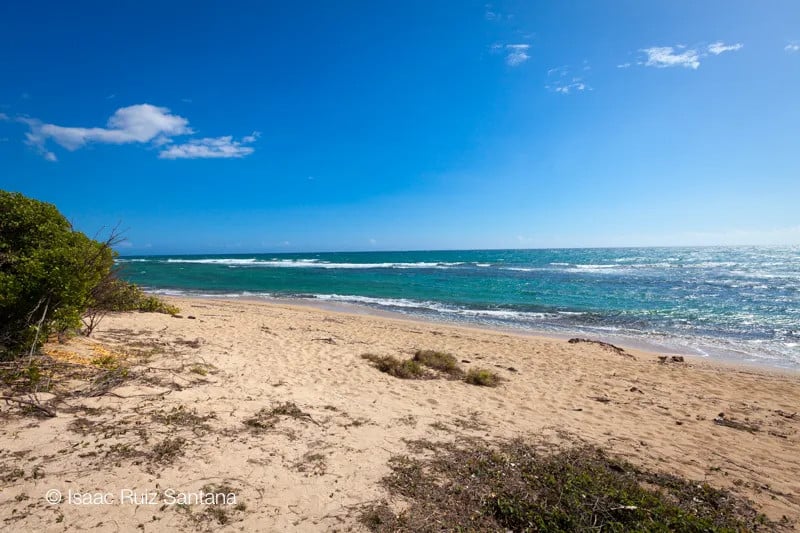
Tamarindo Beach (Playa Tamarindo) is Culebra’s go-to shoreline for spotting sea turtles in their natural habitat. Sheltered by a reef and bordered by a mix of pebbly shore and sandy pockets, Tamarindo offers calm, generally clear water and a gently sloping entry that’s perfect for beginners. It’s a short drive from Dewey and only minutes from world-famous Flamenco Beach, which makes it easy to combine the island’s signature white-sand scenery with a laid-back snorkeling session. Use this guide—together with our Culebra Travel Guide—to plan the ideal beach day centered on wildlife, warm water, and unforgettable photos.
Why Tamarindo Beach Is Special
While Flamenco shines for its broad crescent of powder sand, Tamarindo’s strength is underwater. Seagrass beds flourish in the shallow cove, drawing green and hawksbill turtles that graze throughout the day. Because the bottom stays relatively protected from swell, visibility often holds up even when other beaches get stirred up. Add in quick access from town, easy roadside parking, and a peaceful, nature-first vibe, and you have one of Culebra’s most rewarding snorkel spots without needing a boat tour (you’ll find those too in our Tours section).
Snorkeling: Where to Go & What You’ll See
Enter from one of the sandier gaps along the shore and swim parallel to the beach. The healthiest grasses—and the best chance to see turtles—are typically 30–60 yards out, where the bottom transitions between seagrass meadows and scattered coral heads. Keep your fins up and strokes gentle; good buoyancy control is key to avoiding contact with grass or coral. Expect to see turtles grazing, schools of blue tang and sergeant majors, parrotfish, wrasse, urchins along the rocks, and the occasional stingray cruising the sand. For reefier structure and fish density, many visitors pair Tamarindo with a late-day snorkel at Melones Beach, which faces west for sunset color.
Best Time of Day
Mornings are typically calm and less crowded—great for first-time snorkelers who want predictably gentle conditions. Midday brings brighter light for underwater visibility (and sun protection becomes more important). Late afternoon can also be lovely, especially if you’re planning to head to Melones for sunset after your snorkel. During winter, north swells sometimes reduce clarity island-wide; on those days, Tamarindo can still outperform open-coast beaches thanks to its protection. As always, check from shore: if you see whitecaps or murky water beyond the grass line, stay shallower or reschedule for a calmer window.
Safety & Wildlife Etiquette
- Give turtles space: Observe quietly from several body lengths away and never chase, touch, or block their path to the surface.
- Hands off the bottom: Seagrass is living habitat; avoid standing in it. If you must stand, choose a sandy patch free of growth.
- Use reef-safe sunscreen: Apply 20–30 minutes before swimming to limit runoff; a long-sleeve rashguard is even better.
- Mind the rocks: Water shoes help at entry points with cobbles or small stones.
- Know your limits: If wind picks up, stay inside the protected cove or take a beach break.
What to Bring
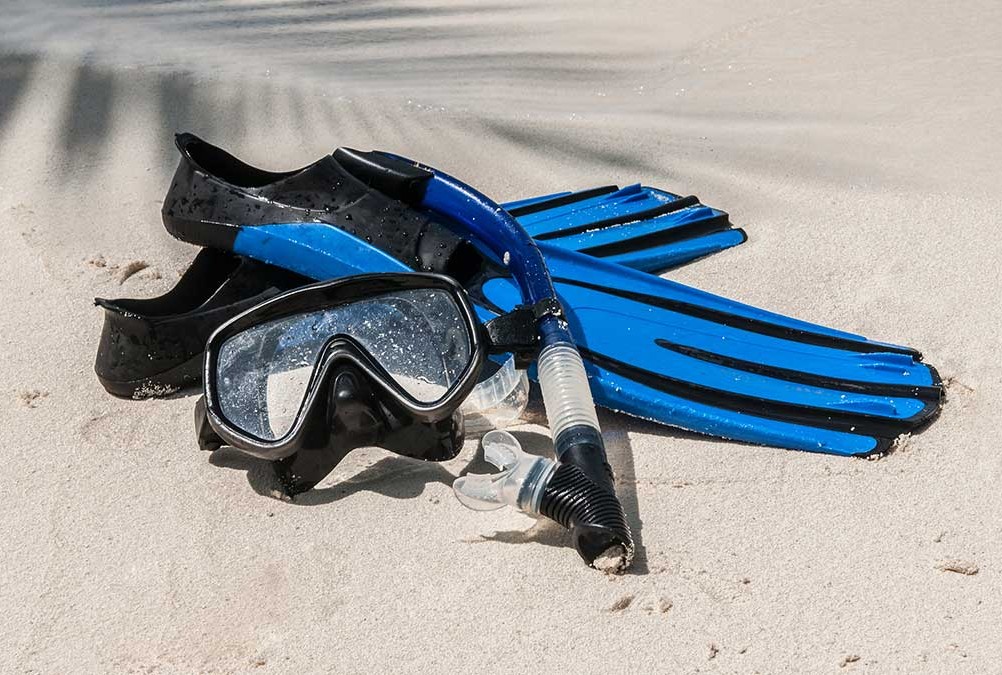
Pack a mask and snorkel (rentals are limited), compact fins, water shoes, a dry bag, plenty of water, and a lightweight chair or mat. Shade is limited, so consider a small umbrella if you’re staying for hours. For post-snorkel bites and drinks, head back toward Dewey and browse our island picks in Food & Drinks. If you’re continuing the beach circuit, compare options in the full Culebra Travel Guide.
Getting There & Parking
From Dewey, follow the paved road toward Flamenco, then continue along the northside route signed for Tamarindo. The beach sits just off the roadside with informal parking areas along the shore. Arrive earlier on weekends and holidays for the easiest spots. Golf carts and compact jeeps are the most convenient ways to hop between Tamarindo, Flamenco, and Melones in a single day; taxi públicos also run set routes—ask for current pricing and pickup times, or reference transport notes in our Culebra Ferry Guide.
Pairing Tamarindo with Other Beaches
For a well-rounded day, start with the postcard sand and facilities at Flamenco Beach, then drive a few minutes to Tamarindo for snorkeling with turtles while light is high. After a snack run in town (ideas in Food & Drinks), finish at Melones Beach for a golden-hour swim and sunset photos. If you’re staying longer, alternate mornings between Tamarindo and Flamenco to catch calm water at both.
Where to Stay
Basing in or near Dewey keeps you close to markets, dining, and the ferry while still being minutes from the beaches by cart or car. Browse small inns, villas, and guesthouses in our curated Where to Stay page and look for amenities like secure gear storage and outdoor showers if you plan to snorkel daily. Booking ahead is wise during winter, spring break, and holiday weeks.
Sample Half-Day Itinerary
- Arrive mid-morning, set up a light base near a sandy entry.
- First snorkel: Swim parallel to shore over the seagrass meadows; keep distance if you spot turtles.
- Break for water and shade; photograph the coastline while visibility peaks.
- Second snorkel: Work the opposite edge for variety—watch for parrotfish and rays.
- Pack up and head to Melones for sunset or into Dewey for a casual dinner (see Food & Drinks).
Final Take
With serene water, reliable wildlife encounters, and quick access from town, Tamarindo Beach is a must for snorkel-loving travelers. Treat the habitat gently, keep your distance from turtles, and move slowly—the more patiently you float, the more of Culebra’s underwater life you’ll witness. For ferry logistics, broader island planning, and beach-by-beach comparisons, start with the Culebra Ferry Guide and our complete Culebra Travel Guide, then find your perfect base on Where to Stay. Bring curiosity and a mask, and Tamarindo will do the rest.